
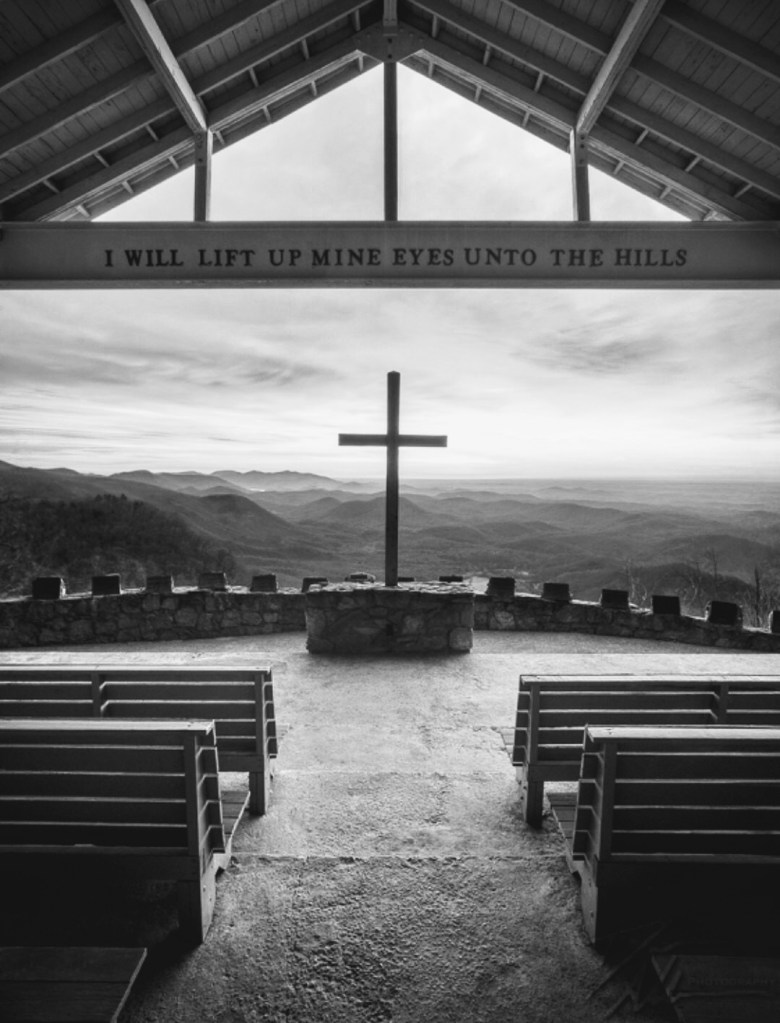
Everyday, we receive some instruction that is to make living better. In traffic we have road signs that tell us to “stop, “yield,” “road work ahead,” and “slow down.” All of these instructions are in place to make driving easier and safer for reaching our destination. Although these structures are in place, it does not mean that there won’t be accidents because someone failed to yield, decided to speed, or ran the stop sign. So if we believe in traffic laws as instructions for everyday living, where are the instructions for us to live righteously? Traffic laws may be found in a manual, our instructions are found in the New Testament book of James which serves as a blueprint for living in today’s world. Much like Proverbs, James is an observation of faith and wisdom and the obstacles we encounter in the journey.
The way of living begins when children are taught to live by the golden rule of treating others as they would expect to be treated. They are also trained to obey the Ten Commandments. How does the book of James correlate to these general principles for navigating through life, particularly as adult believers? Christians believe Paul when he says faith is the guiding factor to salvation. “For by grace you have been saved through faith; and not of yourselves, it is the gift of God; not as a result of works, so that no one may boast? (Ephesians 2:8-9). Many find this contradictory to what James says, “So faith by itself, if it does not have works, is dead” (James 2:17). James is describing the difference between an intellectual faith and an active faith. What good is having a plethora of knowledge if we are not serving anyone or encouraging active obedience?
The main point of James is that a person can have faith, but if his actions do not reflect that faith, then his faith means nothing. So often, people will say that they are believers, and they quote scripture and state all of the right things, but their actions reflect a different person and do not align with what they call faith. James asks, “What good is it, my brothers, if someone says he has faith, but does not have works? Can that faith save him? (James 2:14). James is not saying that works are a requirement for salvation. He states that one’s actions or works should be representative of his faith. James believes that for a believer, faith without works is ineffective, and therefore, faith without works is inseparable. It is important to understand how the combination reveals James’s call for people to pursue and activate their faith in God.
One of the mistakes that Christians make, especially new Christians, is that having faith means not having trials or tribulation. “Count it all joy, my brother, when you meet trials of various kinds, for you know that the testing of your faith produces steadfastness. And let steadfastness have its full effect, that you may be perfect and complete, lacking in nothing” (James 1:2-3). James called for people to pursue wisdom from God so that they would have joy in trials. People are tested to ensure that they have genuine and not superficial faith. How a person responds and perseveres during the testing of his faith reveals his character. Not all people have genuine faith. James emphasizes that wisdom from God is the key to receiving joy even in trials.
It is not enough to just have faith, but faith must be represented through action. Ultimately, true faith produces work. “If a brother or sister is ill-clad and in lack of daily food, and one of you says to them ‘Go in peace, be warmed and filled,’ without giving them the things needed for the body, what does it profit? So faith by itself, if it has no works, is dead” (James 2:15-17). If one’s faith does not lead him to action, then his faith is useless or dead because mere confession without action does not save. This statement is an implication that others look at the actions of believers to see Christ in them. For a non-believer, there must be more than words; there must be action. There is a song entitled, “Let Them See Christ in Me” that says “People struggle all alone in the darkness of this world. Some [are] imprisoned by their greed, some have given up all hope. Let the Word be flesh again in my life and in my deeds, That people may see Jesus and believe.” Some may argue action is not necessary, but James anticipates a rebuttal, “You have faith and I have works. Show me your faith apart from your works, and I will show you my faith by my works” (James 2:18).
[Side Note: Readers often get confused because the operative words in this passage are the prepositions “apart from” and “by.” “Apart from” is a degree of separation, and “by” is in conjunction with, supporting his statement that faith without works is dead, and faith together with work is an active, genuine faith.]
He continues to strengthen his argument with the story of Abraham and how he was willing to sacrifice his only son, Isaac. “He [God] said, ‘Do not lay your hand on the boy or do anything to him, for now I know that you fear God, seeing you have not withheld your son, your only son, from me” (Genesis 22:12). It is the action of Abraham that was a testament to his faith and obedience to God. James’s second example of Rahab demonstrated her faith through her action of hiding the spies from the men seeking to do them harm. “Before the men lay down, she came up to them on the roof and said to the men, ‘I know that the Lord has given you the land, and that the fear of you has fallen upon us, and that all the inhabitants of the land melt away before you” (Joshua 2:8-9). In each of these situations, Abraham and Rahab performed works that validated their faith: “For as the body apart from the spirit is dead, so also faith apart from works is dead” (James 2:26).
Paul agrees with James that although people are not saved by works, genuine faith works. It shows up in new life, so a Christian profession with no fruit is a bad sign. In reading James 2:14-26 and Paul’s writings, it is important to understand that they were addressing two different issues that pertained to justification. Paul asserts that a person becomes justified by faith alone, apart from the Law. James is expressing the fact that when a person is justified by faith, there should also be a renewal of character that causes him to produce works that are pleasing to God, therefore creating a distinction that separates him from those who just proclaim faith. James believes that an intellectual faith without works is ineffective and worthless. He does not contradict Paul’s teaching because he does not disagree with the doctrine of justification by faith. Saving faith is faith with works because it is not enough to just have faith without evidence in action.
In reading this portion of scripture, everyone must understand the roles of faith and works and how it is shown through Old Testament examples. The book of James gives practical life application to the current world and how we are to live. There is no contradiction between what Paul and James taught. The doctrine is the same, but Paul and James taught justification from a different perspective for a different outcome.
I am giving you this background about James and what it means to have a combination of faith and works. It is important to understand that even in faith and the gaining of wisdom, there will be obstacles, temptations, and attitudes that could easily harden the heart. In my next entry, I want to introduce to several people who had every reason not to have faith, to lose confidence in God, to choose to live in a dark space in their minds, and to not have compassion or care about anyone else.
They are the exemplary heroes of faith and works. After hearing their stories, reflect on whether your faith is intellectual or active.
CrayDawg, Inc (c) 2025
 Coffee Reflections