
Do not be deceived: “Evil company corrupts good habits.” 1 Corinthians 15:33
Situations happen in life that make some ponder and reflect on how they are living. In tragedy, we consider the role we played in relationships. We question whether we were good, faithful, and loyal friends or were we self-centered, needy, or clingy. Sometimes we question whether we were our best selves or whether we could or should have done a better job of being a friend. It is a time when we take inventory of our friends and acquaintances. It is time that we check the soil for what we have planted. So, what have we nurtured to grow in the soil?
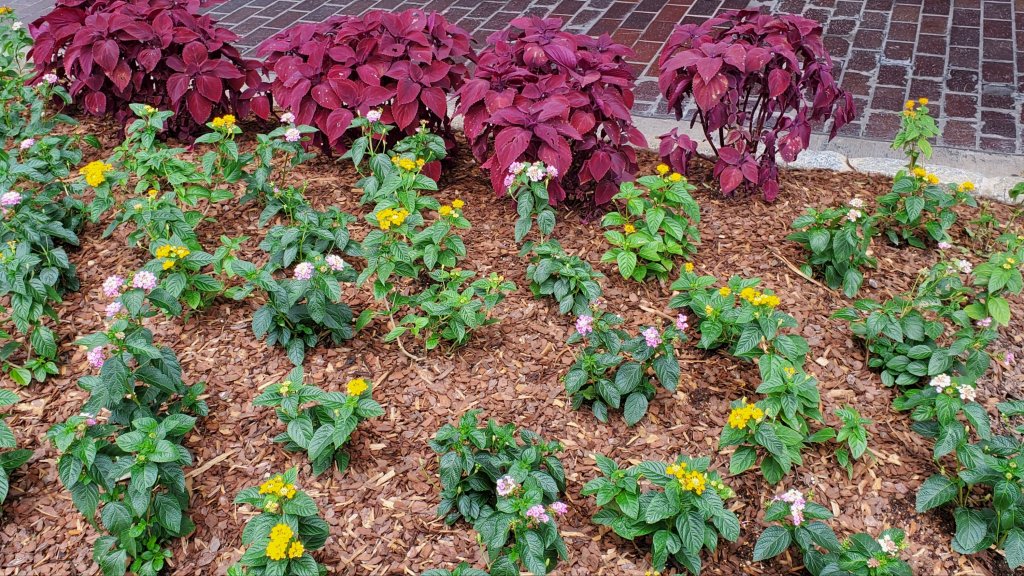
In our relationships what type of people are we growing in and on our soil? How are we growing? Are our relationships producing lively, beautiful plants and flowers, or are we getting weeds in return? In basic language, who are the people that surround us? Are they encouraging us to live our best lives and be our best selves? Have people drained us of our identity to the point that we barely resemble our true selves? Take a moment to think about that.
Years ago, I had a friend that was kind, empathetic, sweet, and strong in faith. Her soil produced and encouraged others. Her community of friends was a reflection of her light that would endear people to her. Some would say that she was the “salt of the earth.” However, if we are not careful and protective of our gardens, we can produce weeds. Weeds aren’t beautiful. They change the landscape; they change the beauty. They eventually suffocate and take over. They change what is known into something unrecognizable.
This is what happens when we are not being guarded and allow all kinds of people into our lives. They become the weeds that stifle our growth, blur our vision, and change us. What makes us take our eyes off our soil? What distracts us? Well, in my friend’s case the enemy got into her head. In her weakness, she bought the lies that she wasn’t beautiful, that she was missing out, and that Christians were a bunch of self-righteous hypocrites. Basically, she bought the lie that she was not enough! And just like Eve, she bought the lie unaware that it would change her life forever. My friend started associating with a superficial cast of characters. This became the cast of characters that didn’t speak the truth.
This is what happens when a person stops cultivating her garden. She dismisses her family, disassociates herself from lifelong friends, and develops an edginess to her demeanor. She enters a dark, seedy, evil world where she should never have been and may never return. Much like the weeds in the garden, she has been engulfed. She does things that are just out of character and unimaginable. She lowers her standards; she loses herself. I often wonder who she sees when she looks in the mirror. When weeds start to strangle a person, life flashes by leaving one to ponder about what could have and should have been and how one decision or one person changes the trajectory and scope of the future. The outcome: my friend has been forever changed. And the lesson we take away is that we must always be guarded, sow healthy, prosperous seeds, and fertilize the weeds away. Be careful who you allow to surround you. My friend’s life is a reminder of how people plant their gardens.
There is the gardener that throws seeds happily and allows them to land anywhere on the soil or in the soil, and this action shows that there is no time for serious matters and no regard for the people and things that matter. When these types of friends are grown, they disappear when the thrill of the party is gone. Where there is no-tilled soil, there is no character, proving a lack of substance. There is only shallowness, disillusionment, and materialistic desires.
The great gardens are those that have been tilled, the weeds have been pulled, and the fertilizer has been added. We start to see growth from constant nurturing, watering and guarding. This is the garden where investment and perseverance produce deep roots. That’s what true friendships should look like. When a plant is uprooted or broken, we replant, add new soil, and nurture it. This is called an opportunity for a new life. This is what we want for those that been overtaken by weeds. We pray for another opportunity to help them nurture the soil beneath them.
CrayDawg, Inc. (c) 2022
 Coffee Reflections